Design Tools:
Figma — Photoshop — After Effects
Who are we?
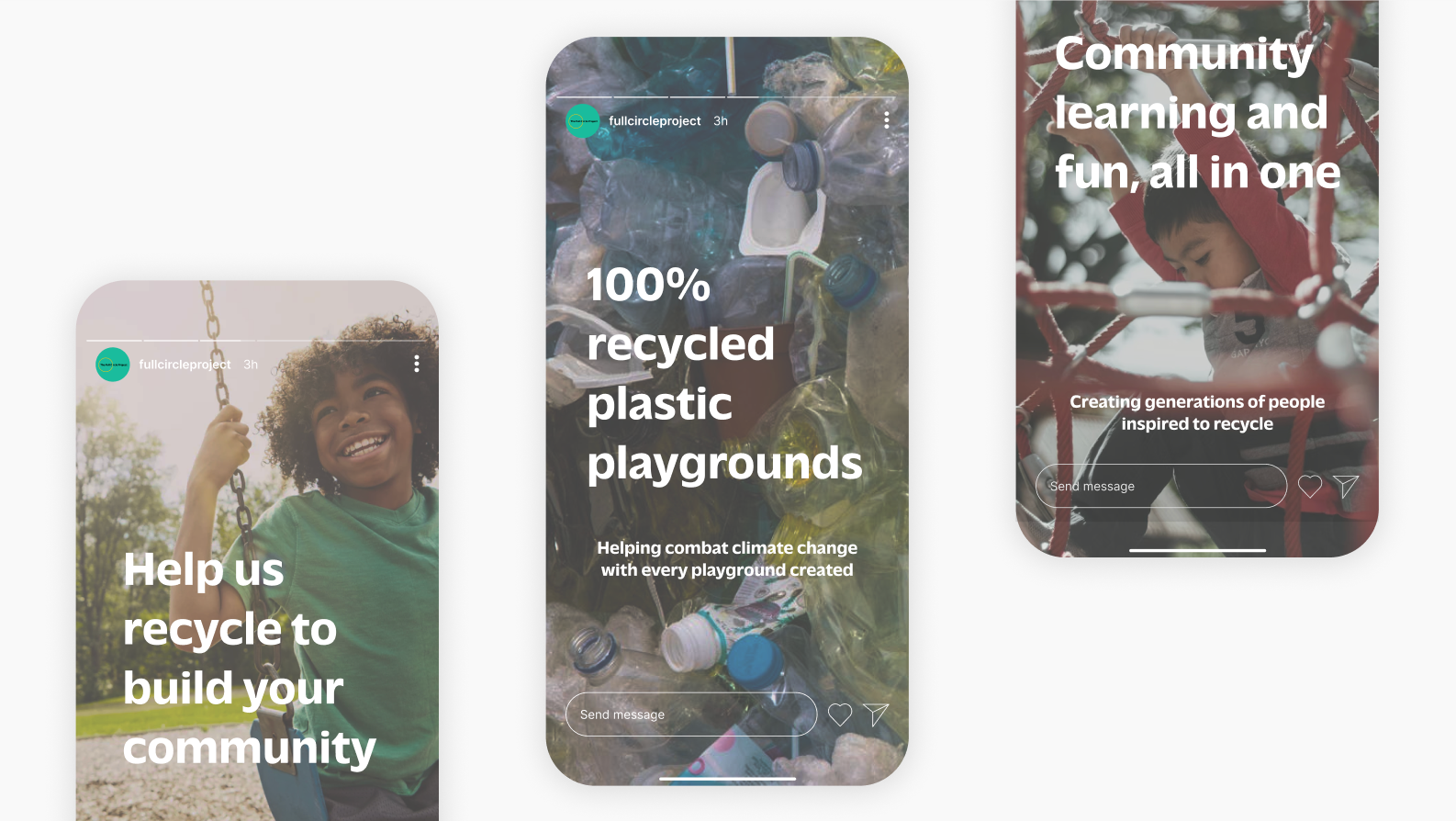
The Full Circle Project is a non-profit organization focused on establishing an important, lifelong connection between children, communities, and the environment all across Texas. Our purpose is to partner with communities to provide resources and create engaging spaces where environmental learning and mindful habits can be reinforced through fun, educational play.
Why does it matter?
The next generations are the future, so inspiring and teaching children to keep a green habits is the first step in improving and maintaining a climate-friendly approach for a sustainable future.
Meet The Team:

Riana De Luna

Mallory Randolph
Lily Bourgeois

Paige Erickson
Research:
How Might We Statement:
How might we foster an engaging environment for children that helps to build a lifelong sense of connection and compassion with nature and climate friendly habits?
XYZ Statement:
We are researching climate initiatives through the lens of community-driven efforts to inspire individuals to take meaningful action against climate change.
We are researching climate initiatives through the lens of community-driven efforts to inspire individuals to take meaningful action against climate change.
Job to be Done Statement:
Our job to be done is to implement a community driven climate initiative that inspires individuals to take real, sustained action against climate change.
Our job to be done is to implement a community driven climate initiative that inspires individuals to take real, sustained action against climate change.
Personas:
"Head of the Playground"
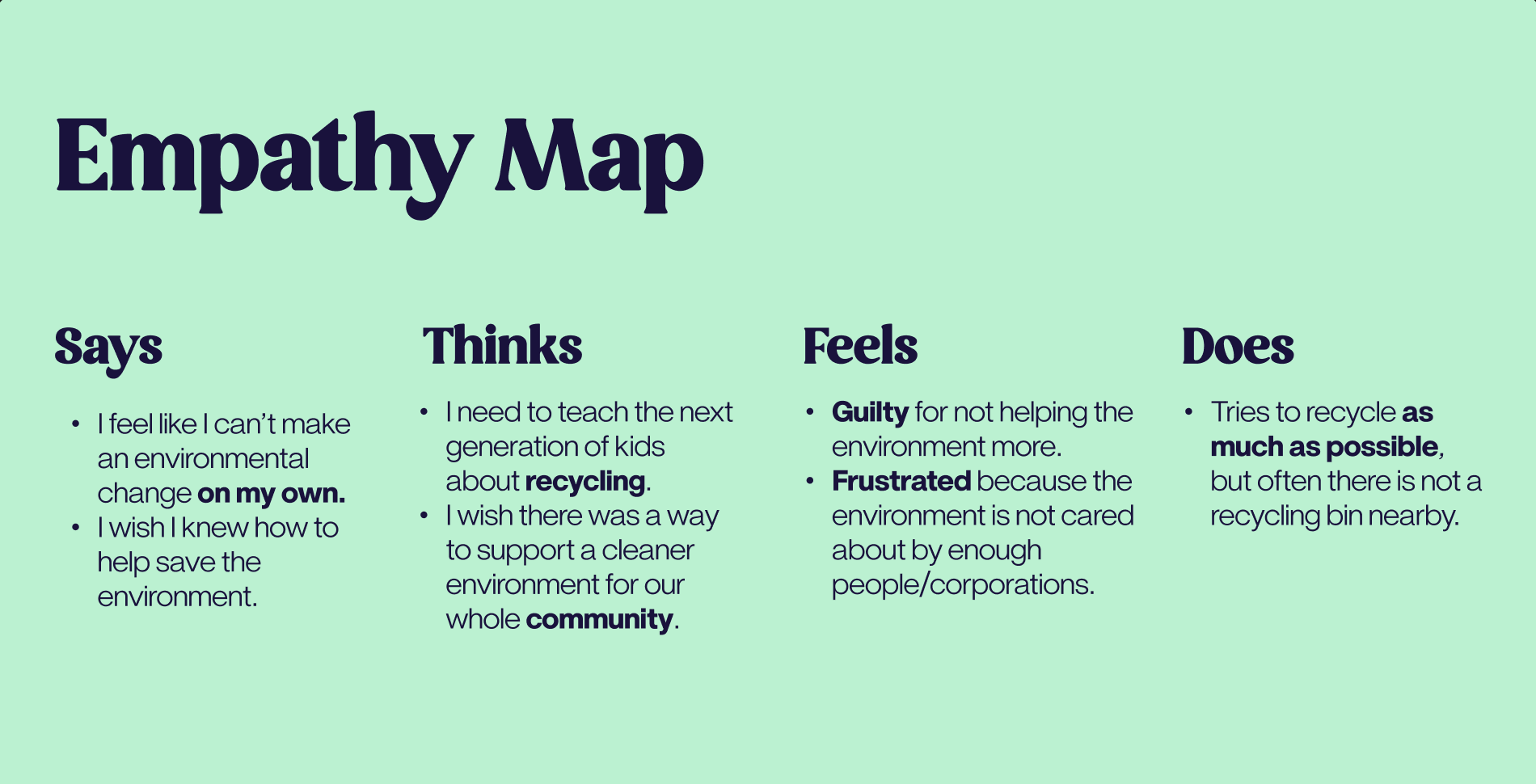
Head of the Playground is a fifth grader who has recently been introduced to the aspect of caring for the environment and avoiding wasteful behaviors. In school she learned about recycling and now she is seeing it come into play in real life. She is starting to realize the impact we have on the Earth and how important it is to take care of it. She is a force of boundless curiosity and imagination and she spends most of her time outside. She is fiercely independent and a natural leader among her friends, always the one inventing the rules to new games or leading the charge up the playground slide.
"Newly Eco Friendly"
Newly Eco Friendly is a junior accountant at a tech company who just recently started switching to more eco-friendly choices. He grew up in a small town, but recently moved to Austin after completing college. He feels good about making more eco-conscious switches, but is having a hard time finding ones that fit his busy schedule and semi-tight budget. He also wants to find a way to get more engaged in his local community.
"Environmental Expert"
Environmental Expert is the Deputy Director of the local Spring Lake Education at the Meadows Center for Water and the Environment at Texas State University. She has been part of the Meadows Center team since 2006, helping connect thousands of people each year to the importance of water and environmental conservation. She oversees educational programs at Spring Lake, including field trips, glass-bottom boat tours, and community outreach events that teach visitors about the value of protecting natural resources.
"Eco Friendly Mom"
Eco Friendly Mom loves to make switches to organic and eco-friendly products when she can. While she is willing to pay a higher price point for these products, she still loves finding low-cost options. She likes to prioritize organic food products, and loves to shop at farmers markets for ingredients when she has the time. She also prefers to find reusable goods over single-use when she can, but she doesn’t always know about the alternatives.
Survey Data:
Question: How frequently do you recycle?
51% of survey responders said that they frequently recycle, while 22% mentioned they semi-frequently recycled, and 27% of responders mentioned that they infrequently recycle.
Question: Based on your last answer, why or why not do you feel the need to recycle?
From this question, we learned that the three biggest reasons people didn't recycle were lack of access/service (not having recycle bins), logistical issues (bins being full), or personal initiative (not seen as a priority).
Question: How much of an individual impact do you think you have on the environment and climate change?
69% of survey responders mentioned that they felt they had a low impact as an individual. 6% of responders felt they had no impact at all, and 25% of responders felt as though they had a high impact individual in helping the environment and climate change.
Question: Based on your last answer, why do you feel the way that you do?
Most of the responders who felt they had low or no impact in helping the environment mentioned two reasons: the first was that responders felt that massive companies and industries are the primary cause of environmental damage, and unless there is some newfound corporate responsibilities, they don't believe that individually they can make a change. The other reason was that individuals felt that large groups of people were needed to do their part before individual efforts were seen to make an impact, such as the government or other large community groups.
Interview Highlights:
We interviewed a few different people during the research phase of this project, and what we found was helpful in leading us into the final direction we chose.
We found that most people who frequently recycle today were taught to recycle when they were children growing up, and vice versa. This lead us to find the solution we were looking for: a way to teach kids from a young age the importance of recycling and other climate friendly habits so that they may remember it for the future and pass continue to pass that knowledge to future generations.
Our Solution:
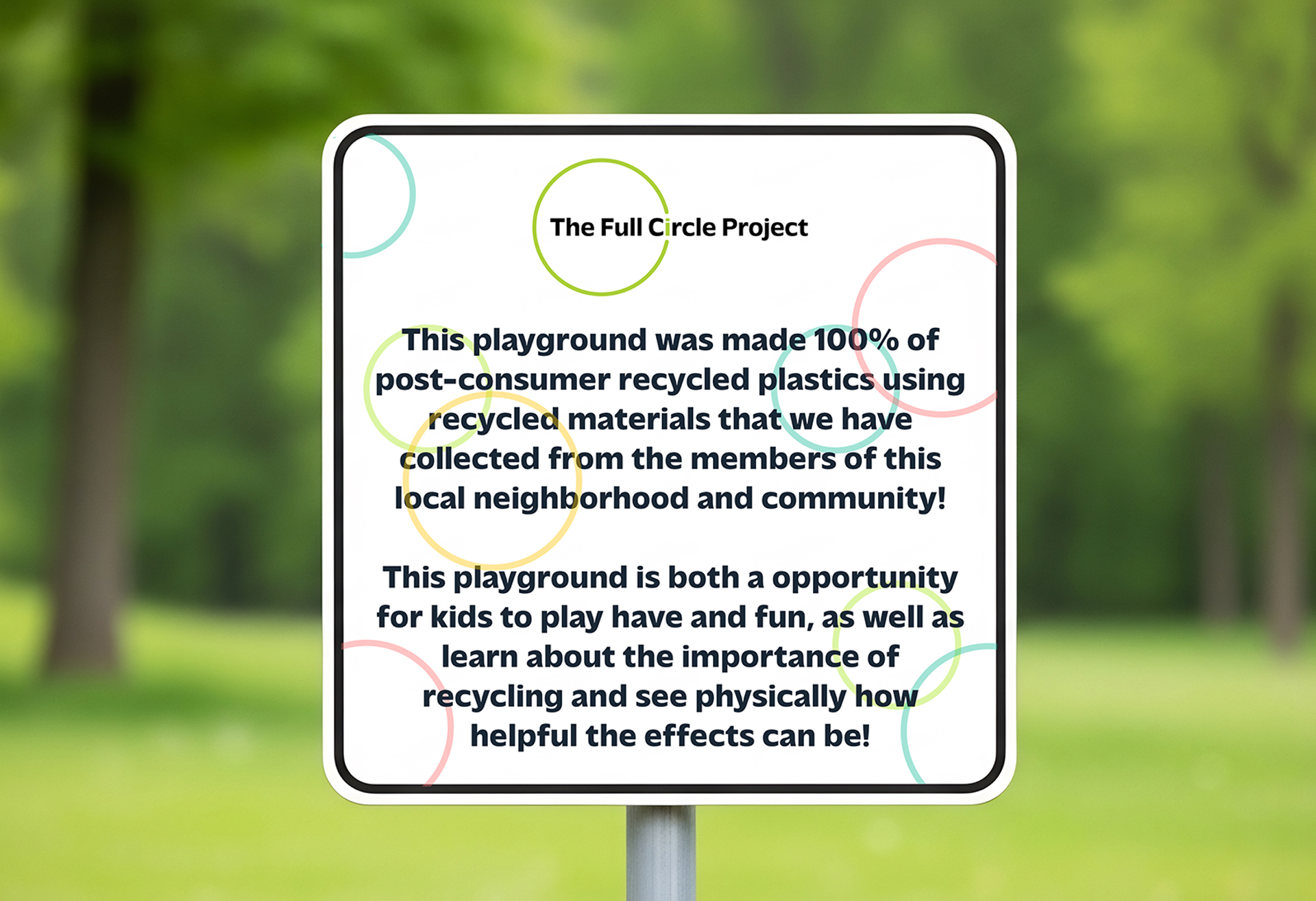
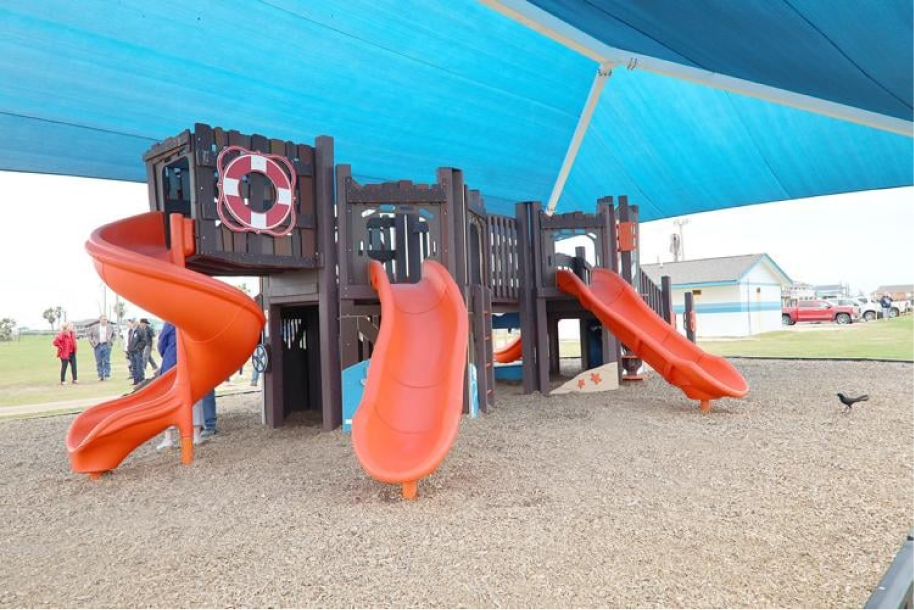
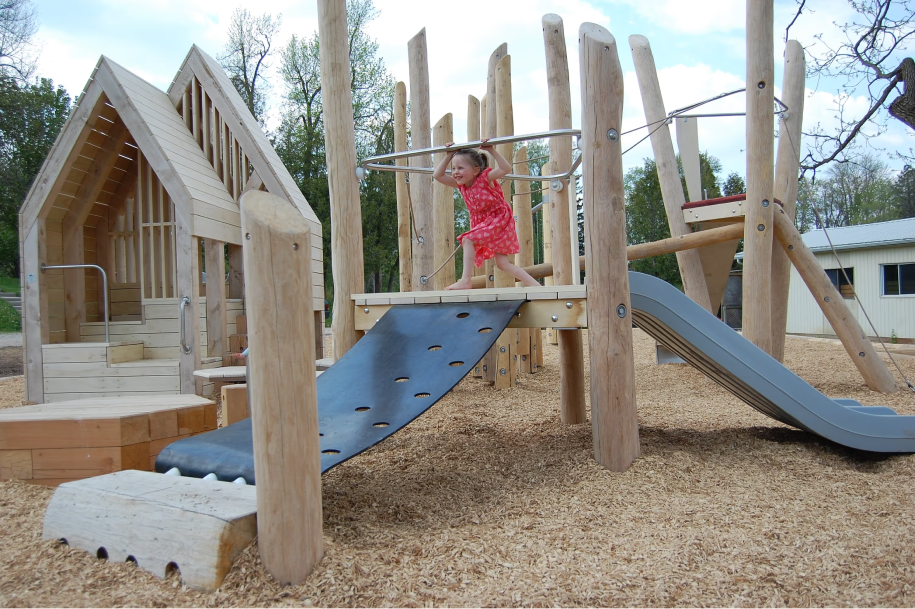
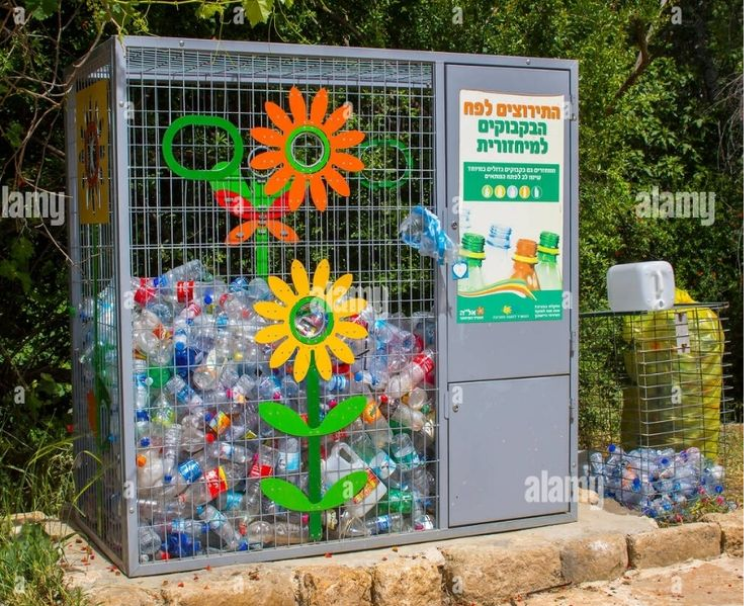
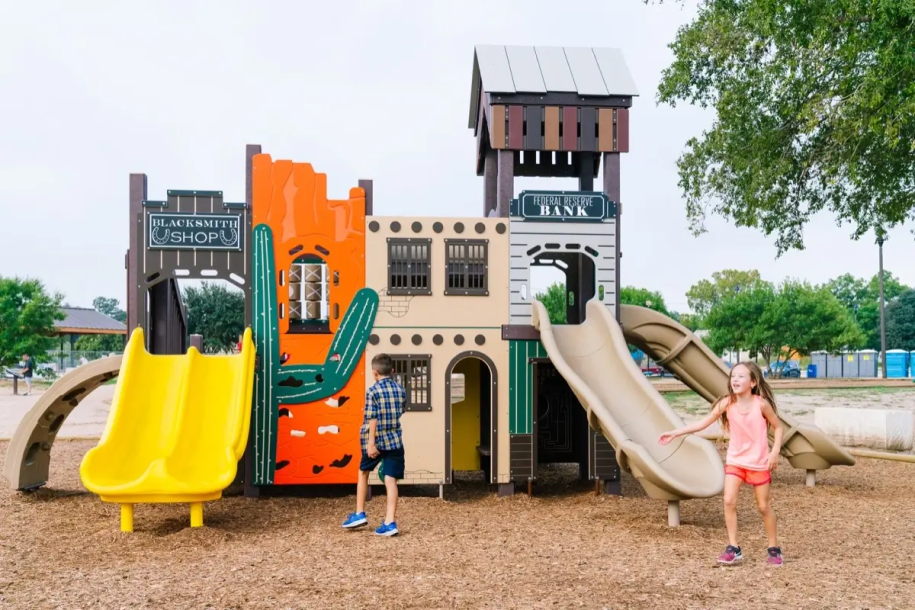
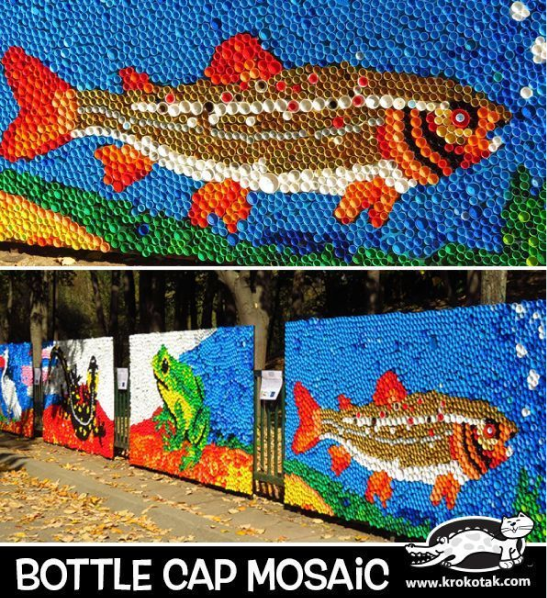
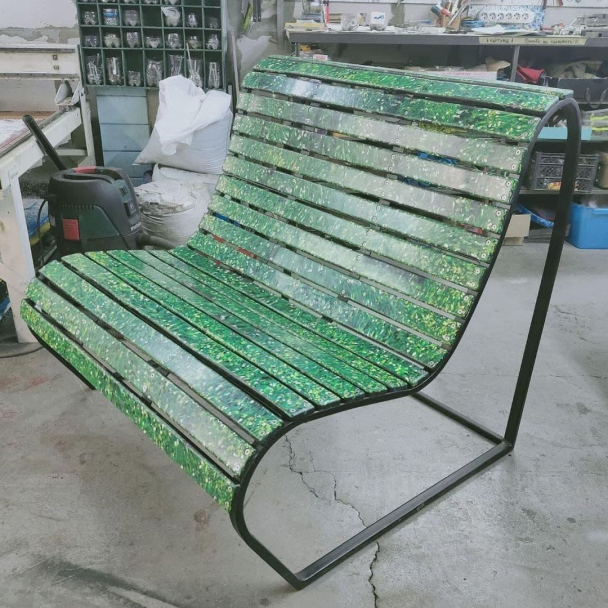
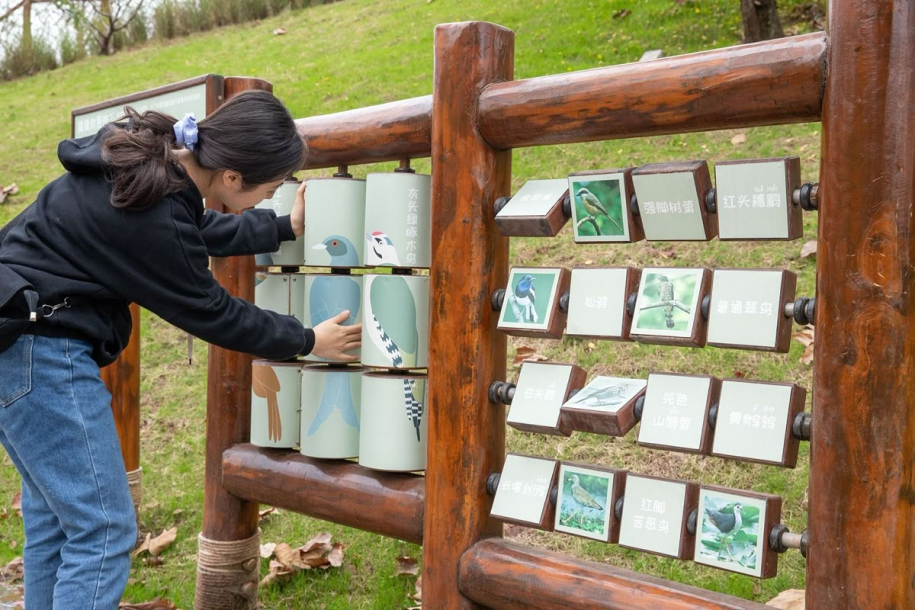
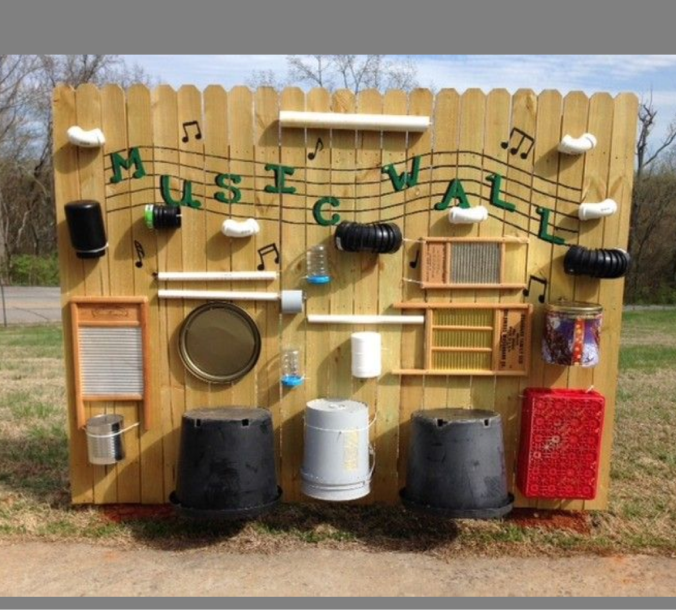
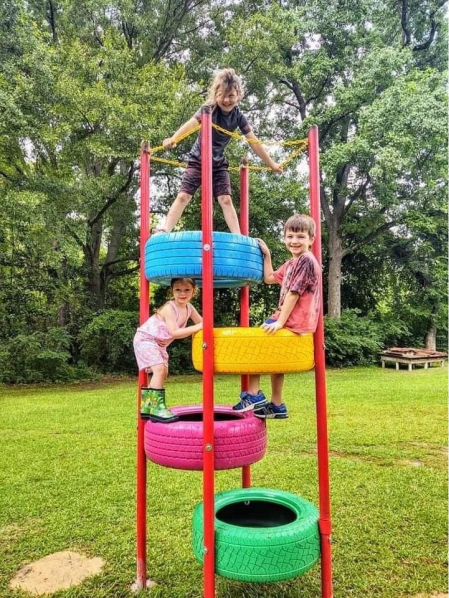
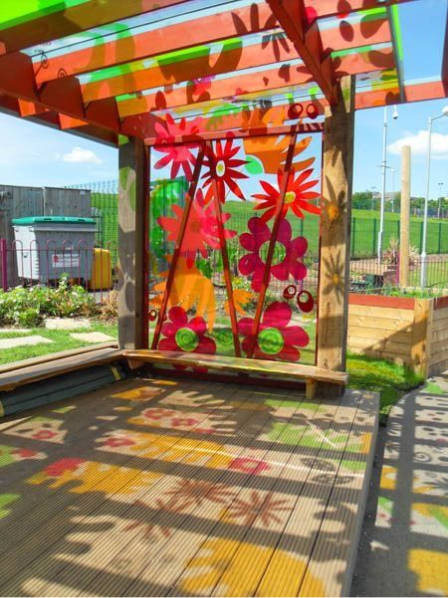
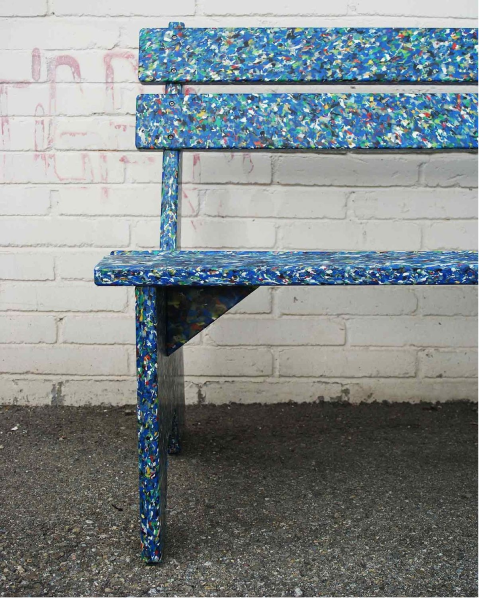
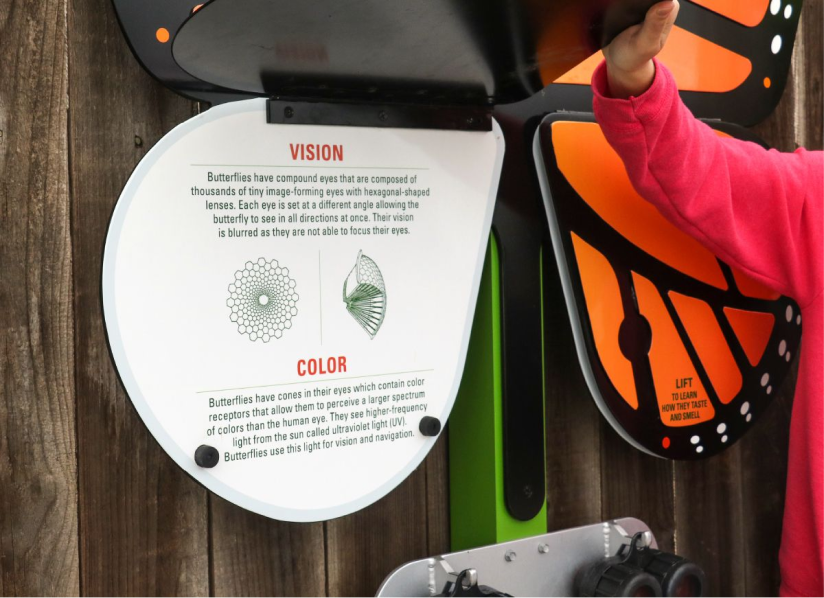
The most obvious solution for us was to create a playground! Our solution was to create a non-profit organization focused on bringing playgrounds built from community-collected recycled materials to communities, paired with signage that teach kids (and parents) how everyday actions can help the environment. Our background research showed that community participation, hands-on education, and creative reuse of materials are the most effective ways to inspire environmental awareness. The community is benefiting because they will have a new playground made out of their own recycled materials, and the climate benefits from more people adopting green habits!
Visual Research:
Our Partners:
As a non-profit, we would need business partners, and since we would be just starting out, out group focused on staying within Texas for now. Our primary business partners for this non-profit would be Ballyhoo Plastics, located in Corpus Christi, Texas as well as Kraftsman Play, based in Spring, Texas with six total Texas locations.
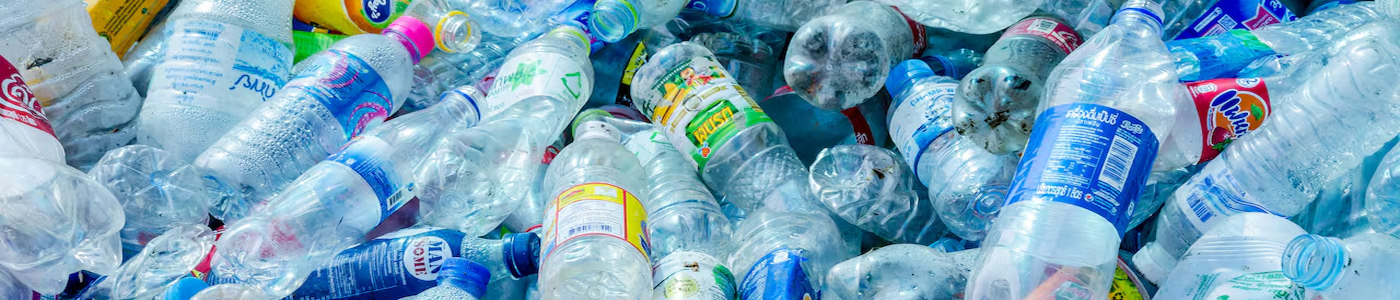
Ballyhoo Plastics is a recycling company that makes/sells plastic resins from recycled materials. They provide a wide range of commodity and engineering-grade plastic resins. They accept most plastic waste and break them down through shredding or granulation. We plan to travel around a community collecting their recyclable goods, and then have these goods processed into plastic resins.
Kraftsman Play is a playground and splash park manufacturing company that offers custom built recycled playgrounds. They often work with municipalities, HOAs, schools, parks, churches or developers to build community recreational spaces. Their recycled playground options are built using reclaimed, post-consumer plastic products. Once we turn our collected recycled goods into plastic resins, we will partner with Kraftsman Play to mold our resins into various playground parts!
Revenue Streams:
Since we are collecting recyclable goods from communities and installing playgrounds for free in many different communities and cities, we won't be generating a consistent revenue. We concluded that most of our funding would come from:
City/HOA Funding:
Cities often allocate money from their tax-supported general funds to build new playgrounds or renovate existing park spaces. When municipalities begin considering these projects, our unique, eco-conscious, and education-focused design positions us as a strong and competitive option.
In addition, homeowners associations frequently use collected HOA dues to maintain and improve neighborhood amenities, including small parks. This opens the door for us to provide appropriately scaled versions of our playgrounds that are designed specifically to fit within residential communities.
Fundraising:
Another potential funding source is financial support from local businesses. While companies may not typically contribute to a standard playground project, our innovative and community-focused concept offers a unique opportunity for them to invest in something meaningful and visible. We believe many local businesses would be interested in sponsoring or donating to help bring our playgrounds to life, especially since it reflects positively on their commitment to education, sustainability, and community development. If city funding is limited, partnerships with local businesses could play a key role in making these playgrounds a reality.
Public Community Support:
In addition to traditional funding sources, we intend to seek support directly from the community. By organizing donation drives, we can gather specific recyclable and reusable materials while also encouraging local residents to take part in bringing the playground to life. This approach not only strengthens community involvement, but also helps reduce our overall material costs by sourcing a portion of the supplies ourselves.
Branding:
Brand Voice:
The Full Circle Project speaks with a trustworthy and motivated voice, ensuring their community-focused goals. We establish outdoor spaces in communities to inspire and provide play experiences that include both learning and fun.
Brand Pillars:
Community Partnership
Throughout our whole process, we work closely with communities. Starting with collecting their recycling, to installing the playground, and continuously maintaining the outdoor space, we ensure neighborhoods have a constant space for individuals to learn.
Throughout our whole process, we work closely with communities. Starting with collecting their recycling, to installing the playground, and continuously maintaining the outdoor space, we ensure neighborhoods have a constant space for individuals to learn.
Generational Learning
By providing a continuous outdoor play and learning space, we aim to teach every generation the importance of recycling and climate friendly habits through a fun and curiosity inviting manner.
By providing a continuous outdoor play and learning space, we aim to teach every generation the importance of recycling and climate friendly habits through a fun and curiosity inviting manner.
Green Practices
We pride ourselves on creating 100% recycled playgrounds for communities using their own recycled goods that we have collected. From collection to installation, we strive to use green practices wherever we can.
We pride ourselves on creating 100% recycled playgrounds for communities using their own recycled goods that we have collected. From collection to installation, we strive to use green practices wherever we can.
Uniquely Green
Each of our playgrounds may all be similar in composition, but we strive to make each playground that we build unique, offering small differences for each community and ensuring that each child has a new and inviting space to play.
Each of our playgrounds may all be similar in composition, but we strive to make each playground that we build unique, offering small differences for each community and ensuring that each child has a new and inviting space to play.
Tagline:
Reduce, Re-Use, Re-Imagine!
Typography:
Header: Massilia Light
Sub Header: Massilia Regular
Body: Massilia Light
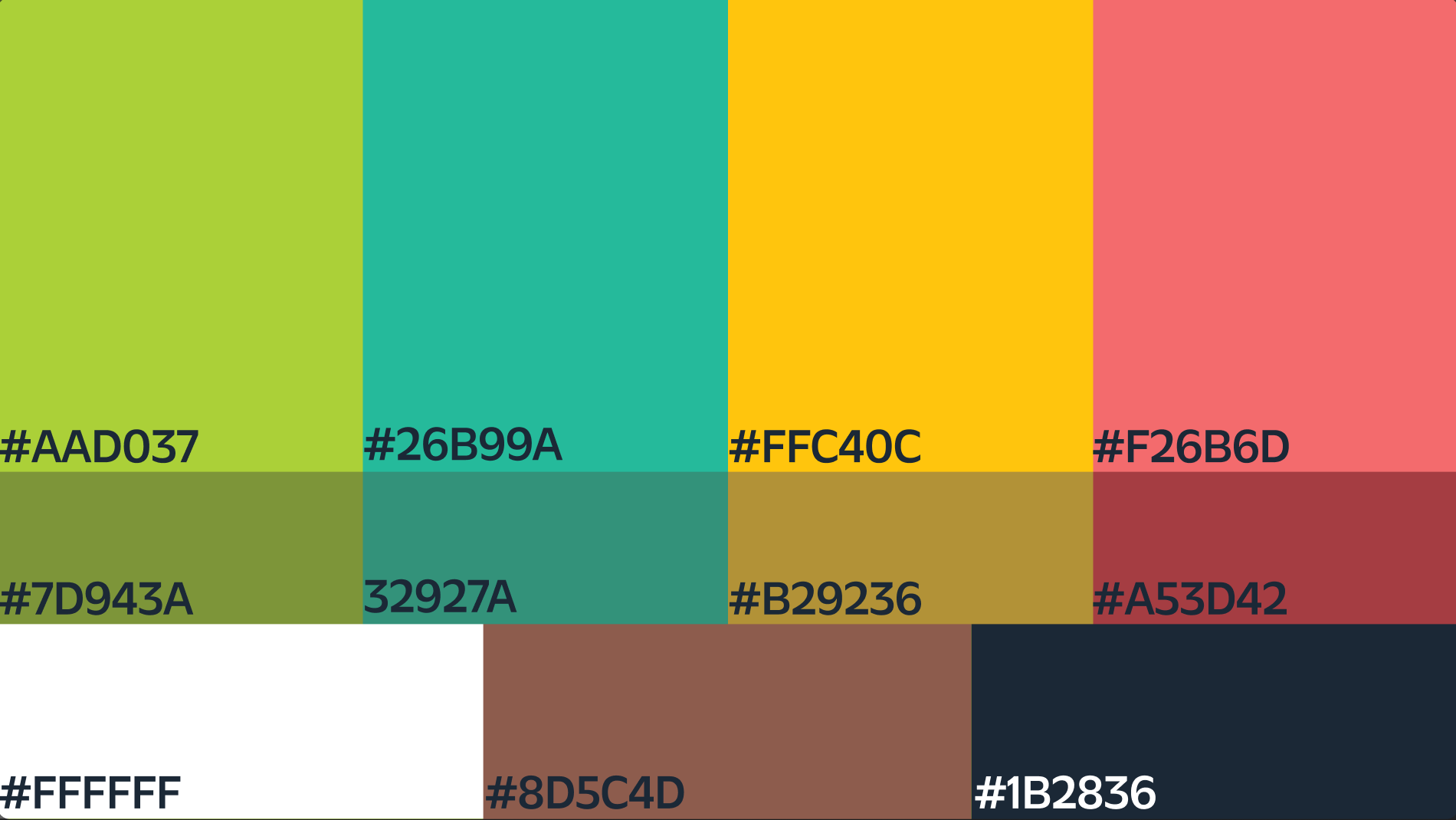
Color Palette:
Logos:
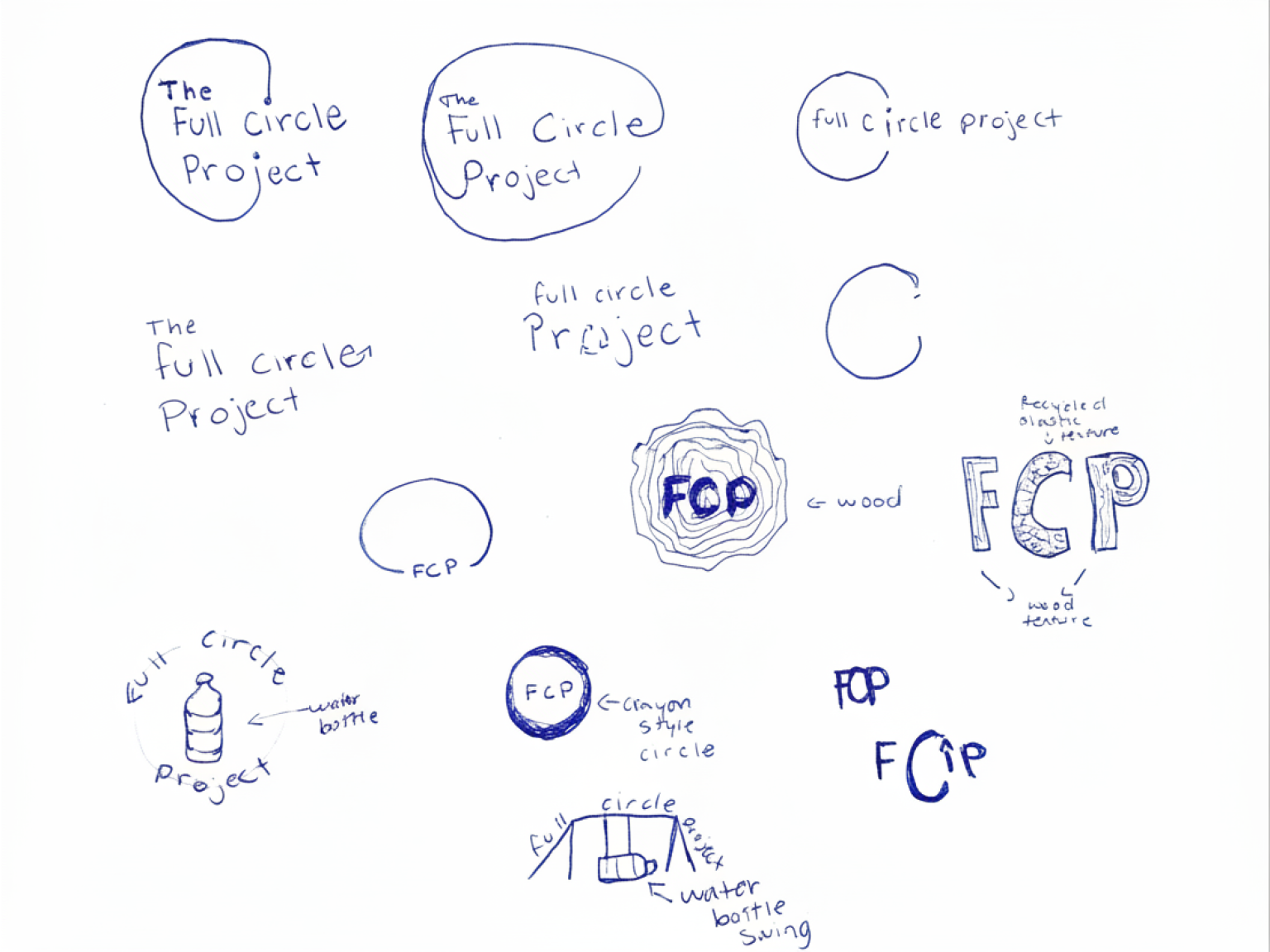
Thumbnails + Final
Thumbnails + Final




.
Applications: